

Dark Lips After Smoking Treatment | Lip Neutralization in Pune
Looking for dark lips after smoking treatment? Discover how Lip Neutralization in Pune helps reduce smoker lip pigmentation and restore natural-looking lips

Last updated: December 22 , 2025
Hair loss affects confidence deeply, especially when thinning becomes visible on the scalp. Many Indian men and women hesitate to explore non-surgical solutions because of one key concern: will it look natural? Scalp micropigmentation, often called SMP, has gained popularity as an advanced cosmetic solution for hair thinning and baldness, but natural appearance remains the deciding factor.
The truth is that scalp micropigmentation can look extremely natural on Indian skin tones when performed correctly. However, the outcome depends on multiple factors such as skin tone, hair pattern, pigment selection, and practitioner expertise. Understanding how SMP works on Indian men and women helps set realistic expectations and ensures satisfying results.
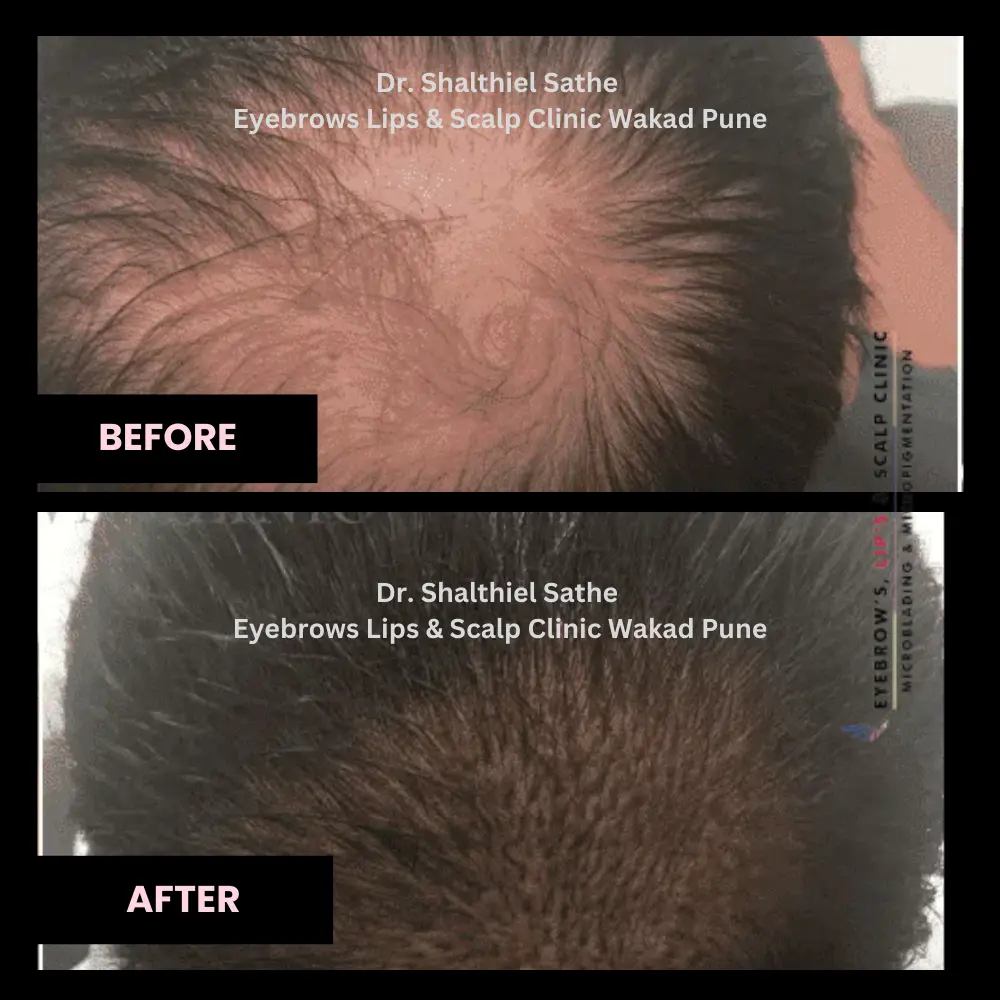
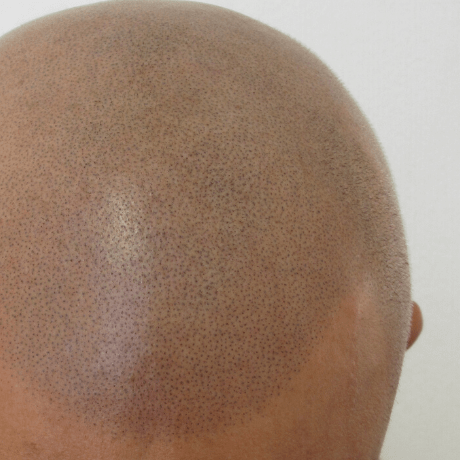
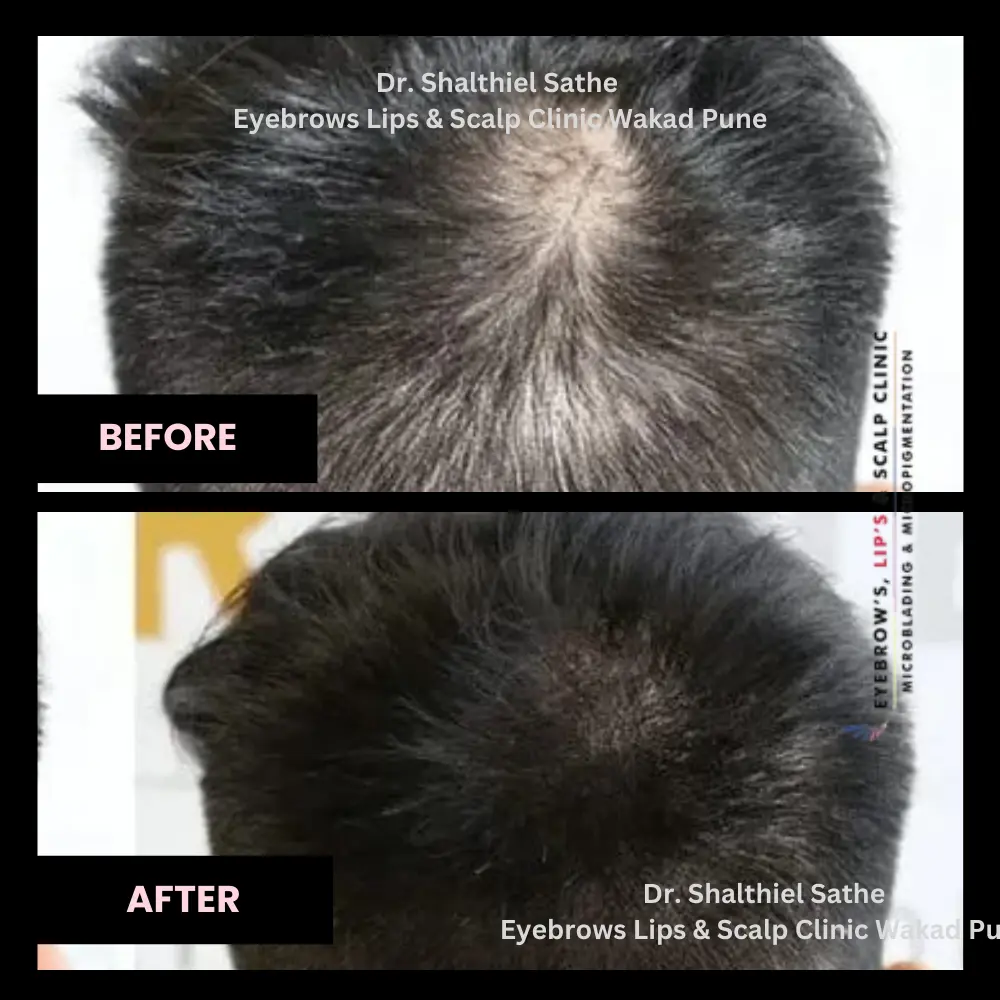
Indian skin tones vary widely, ranging from fair to deep brown, often with warm or olive undertones. This diversity makes pigment selection critical. A one-shade approach does not work for Indian clients. Natural-looking SMP requires customized pigment blending that complements both skin tone and existing hair color.
On Indian scalps, incorrect pigment choice can appear ashy, grey, or overly dark. Skilled practitioners adjust undertones and density to ensure the pigmentation mimics real follicles under different lighting conditions, including sunlight and indoor lighting.
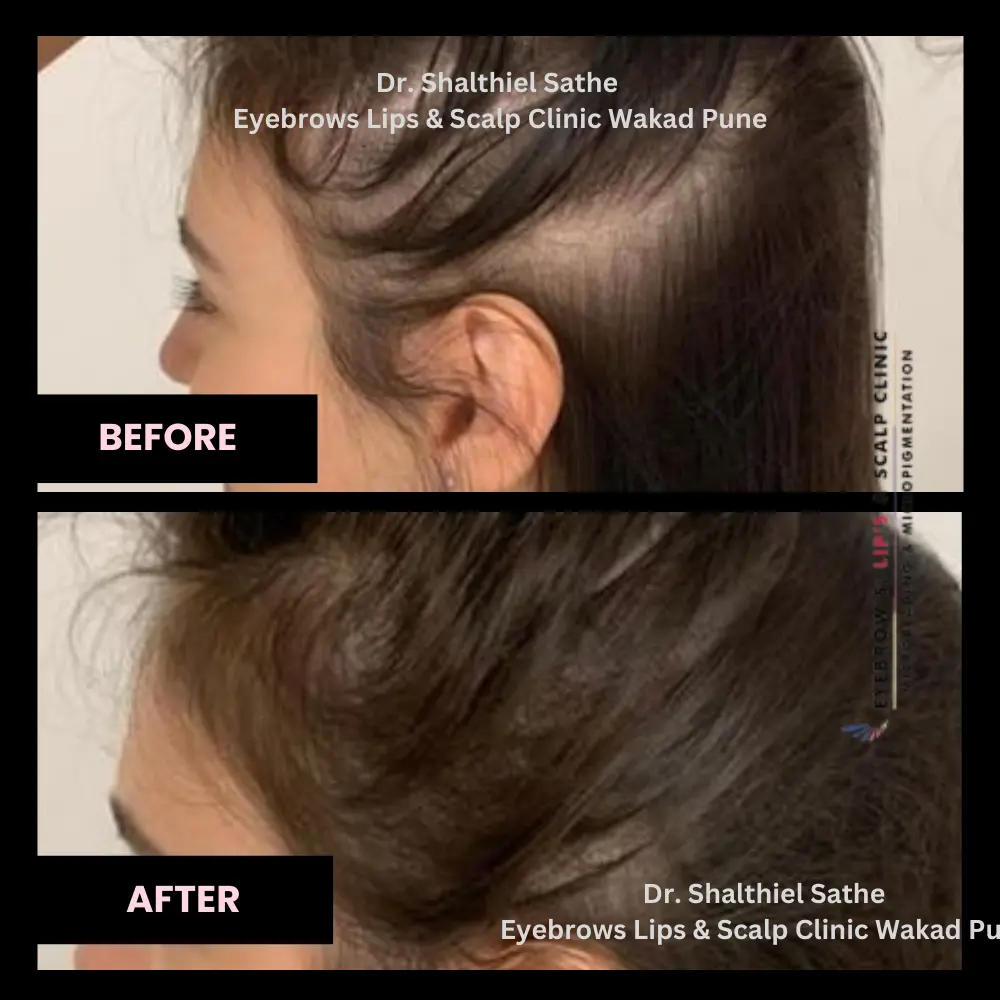
Scalp micropigmentation is equally effective for Indian women dealing with diffuse thinning, widened part lines, or post-pregnancy hair loss. Instead of creating a shaved-head effect, SMP for women focuses on reducing scalp visibility and enhancing the appearance of fuller hair.
When performed subtly, SMP blends with natural hair growth, making thinning areas less noticeable without changing hairstyles. The result looks like naturally thicker hair rather than a cosmetic procedure, which is why many women prefer SMP over more invasive treatments.
A natural Scalp Micropigmentation results depends heavily on hairline design. Overly sharp or unnaturally straight hairlines are the most common reason SMP looks artificial. In Indian clients, natural hairlines are usually softer, slightly irregular, and age-appropriate.
An experienced practitioner studies facial proportions, age, and ethnic hair patterns before designing the hairline. This customized approach ensures the result enhances appearance without looking drawn or obvious.
Scalp micropigmentation is semi-permanent and gradually fades over time. On Indian skin, this fading is usually even and soft, maintaining a natural appearance for years. Touch-up sessions help refresh pigment and adjust density as hair patterns change with age.
Unlike tattoos, SMP does not change color dramatically when maintained properly, which is why it continues to look realistic long after the initial procedure.
Scalp micropigmentation is suitable for both Indian men and women. For men, it often creates a realistic shaved-head or fuller hair appearance, while for women it reduces scalp visibility in thinning areas without altering hairstyles, resulting in a subtle and natural look.
When performed correctly, scalp micropigmentation should not look fake even at close range. The use of micro-dot placement, appropriate pigment dilution, and controlled spacing helps replicate natural hair follicles, making the result appear realistic rather than tattoo-like.
The natural appearance of scalp micropigmentation typically lasts several years. Over time, the pigment fades gradually and evenly rather than changing color. Occasional touch-up sessions help maintain density and ensure results continue to look natural as hair patterns evolve.
Scalp micropigmentation can look unnatural if pigments are too dark, hairlines are overly sharp, or dot placement lacks variation. Inexperienced application and poor assessment of Indian skin tones are common reasons SMP appears artificial rather than natural.

WhatsApp us