

Does Eyebrow Microblading Cause Bleeding? Signs | Aftercare Tips

Best PMU Artist in Pune

Reviewed by Dr. Shalthiel Sathe

Last updated: April 15, 2026

Table of Contents

Overview

Eyebrow microblading is widely chosen for creating fuller, natural-looking brows without daily makeup. However, one common concern many first-time patients have is whether the procedure causes bleeding. This question is important because it directly relates to safety, healing, and final results.

The reality is that minimal bleeding can occur during microblading, but it is usually very slight and controlled. Excessive bleeding is not normal and may indicate underlying skin sensitivity, improper technique, or certain medical conditions. Understanding why bleeding happens, what is considered normal, and how to manage it can help you approach the procedure with confidence.
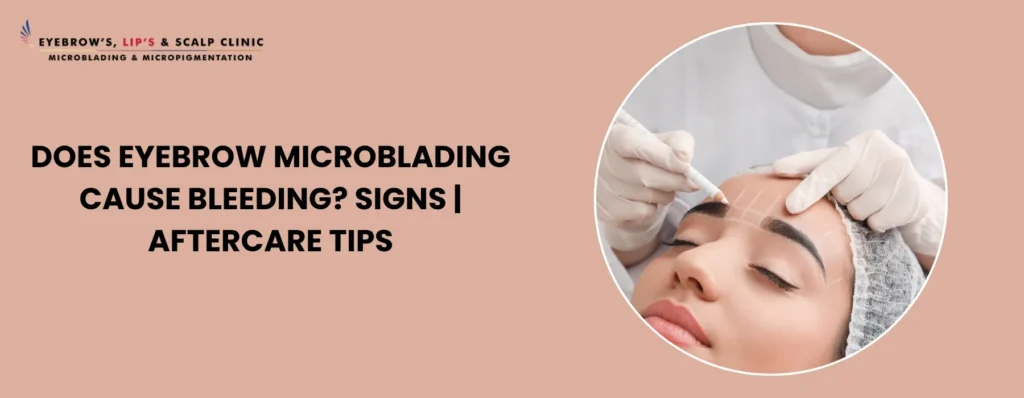
Does Eyebrow Microblading Cause Bleeding

What Happens to the Skin During Eyebrow Microblading?

Eyebrow Microblading involves creating fine, hair-like strokes in the upper layers of the skin using a manual tool and pigment. Since the procedure works close to the skin surface, tiny capillaries may be affected, which can lead to slight pinpoint bleeding.

This is a controlled response and is part of how the skin reacts to micro-injury. When performed correctly, the depth remains superficial, ensuring safe healing and proper pigment retention.

Is Bleeding Normal During Eyebrow Microblading?

Mild bleeding or light spotting is considered normal for some individuals, especially those with sensitive or thin skin. In many cases, there may be little to no visible bleeding at all.

However, heavy bleeding is not normal. It can dilute the pigment, affect stroke clarity, and lead to uneven healing. Experienced practitioners adjust pressure, technique, and stroke depth based on skin type to minimize this risk.

Why Does Bleeding Occur in Some Patients?

Bleeding during eyebrow microblading depends on multiple individual factors. Skin type plays a major role, as thinner or more sensitive skin tends to react more easily. Lifestyle habits such as alcohol consumption, caffeine intake, or certain medications can also increase blood flow making bleeding more likely during the procedure.

Medical conditions like high blood pressure or blood-thinning disorders may also contribute. This is why a detailed consultation and pre-procedure guidelines are essential before undergoing eyebrow  microblading.

Signs of Normal vs Excessive Bleeding

The difference between normal and excessive bleeding helps set the right expectations.

Normal bleeding appears as very light spotting that stops quickly and does not interfere with the procedure. The skin may look slightly pink or flushed, which settles within a short time.

Excessive bleeding, on the other hand, appears as continuous oozing, making it difficult for pigment to settle into the skin. This can result in blurred strokes, poor retention, and patchy results after healing. In such cases, the procedure may need to be paused or rescheduled.

Does Bleeding Affect Microblading Results?

Yes, excessive bleeding can impact the final outcome. When too much blood is present, pigment may not stay properly in the skin, leading to faster fading or uneven color distribution. Stroke definition may also be compromised.

Minimal or controlled bleeding, however, does not negatively affect results and is part of the natural healing response. Skilled application ensures that pigment is implanted at the correct depth for optimal retention.

How to Reduce the Risk of Bleeding Before the Procedure

Skin Preparation plays a key role in minimizing bleeding. Avoiding alcohol, caffeine, and blood-thinning medications before the appointment helps regulate blood flow. Staying hydrated and following all pre-care instructions provided during consultation also improves skin response.

A proper assessment ensures that the procedure is performed under safe conditions, reducing the chances of complications.

Aftercare Tips for Eyebrow Microblading Healing

Eyebrow Microblading Aftercare is just as important as the procedure itself. Keeping the area clean and avoiding unnecessary touching helps prevent irritation. Excess moisture, sweating, and sun exposure should be minimized during the healing phase.

The skin will go through stages of healing, including slight redness, dryness, and mild flaking. These are normal and should not be mistaken for complications. Picking or scratching the area should be avoided, as it can disrupt pigment retention and prolong healing.

The Role of Expert Technique and Skin Assessment

Bleeding during microblading is largely influenced by technique and skin evaluation. At Eyebrows Lips & Scalp Clinic, leading Semi Permanent Makeup Clinic in Pune where procedure begins with a detailed assessment of skin type, sensitivity, and medical history. This helps determine the correct pressure, blade selection, and pigment depth for each individual.

A careful and controlled approach minimizes trauma to the skin, reduces unnecessary bleeding, Proper Aftercare which ensures that results heal evenly and naturally.

Frequently Asked Questions
Does eyebrow microblading cause bleeding?

Eyebrow microblading may cause slight pinpoint bleeding in some individuals, especially those with sensitive skin. This is normal and controlled. However, heavy or continuous bleeding is not typical and may indicate improper technique or underlying health factors.

Mild bleeding is not a bad sign and does not affect results. Excessive bleeding, however, can interfere with pigment retention and lead to uneven healing. Proper skin assessment and technique help prevent such issues.

To reduce bleeding, avoid alcohol, caffeine, and blood-thinning medications before the procedure. Following pre-care instructions and staying hydrated helps improve skin response and minimizes excessive bleeding during treatment.

Minimal bleeding does not affect results, but excessive bleeding can dilute pigment and cause patchy or faded outcomes. This is why controlled technique and proper preparation are essential for successful microblading.

Microblading typically heals within 7–14 days on the surface, even if slight bleeding occurs. Complete healing, including pigment settling, may take a few weeks, during which proper aftercare ensures better results.

Conclusion

Eyebrow microblading may involve slight, controlled bleeding, but this is usually minimal and part of the skin’s natural response. Excessive bleeding is not typical and can affect both healing and results. With proper preparation, expert technique, and correct aftercare, microblading remains a safe and effective way to achieve natural-looking brows.

The key is to approach the procedure with awareness, realistic expectations, and guidance from experienced professionals who prioritize skin health as much as aesthetic outcomes.