

Last updated: July 16, 2026
If you are considering scalp micropigmentation (SMP) and regularly ride a motorcycle or scooter, one practical question is likely to come up: Does wearing a helmet affect scalp micropigmentation?
The short answer is that wearing a helmet does not normally prevent you from having scalp micropigmentation, but helmet use needs to be managed carefully while the scalp is healing. A helmet that creates excessive friction, pressure, heat or sweating over freshly treated scalp skin may interfere with comfortable healing and aftercare.
The most important period is the initial healing phase after an SMP session. During this time, your scalp may be sensitive, and your practitioner may recommend avoiding activities or products that can irritate the treated area.
If you need to wear a helmet for commuting, work or safety reasons, do not simply stop wearing protective headgear without discussing your circumstances with your doctor. Instead, ask when it is appropriate to resume helmet use based on your treatment and healing.
A helmet does not usually damage an established scalp micropigmentation result, but wearing one too soon after an SMP session may cause friction, pressure, heat and sweating that can irritate healing skin.
You may be able to wear a helmet after scalp micropigmentation, but you should follow your doctor’s instructions about when to resume helmet use.
The concern is not that helmets automatically “remove” SMP pigment.
The issue is that a helmet can create conditions that may be uncomfortable or undesirable while the scalp is recovering, including:
Freshly treated skin can be more sensitive than normal skin. For that reason, it is important to protect the scalp from unnecessary irritation during the early recovery period.
If you ride a two-wheeler every day in Pune, tell your doctor before your appointment. This allows your practitioner to explain how the treatment and your normal routine can be managed together.
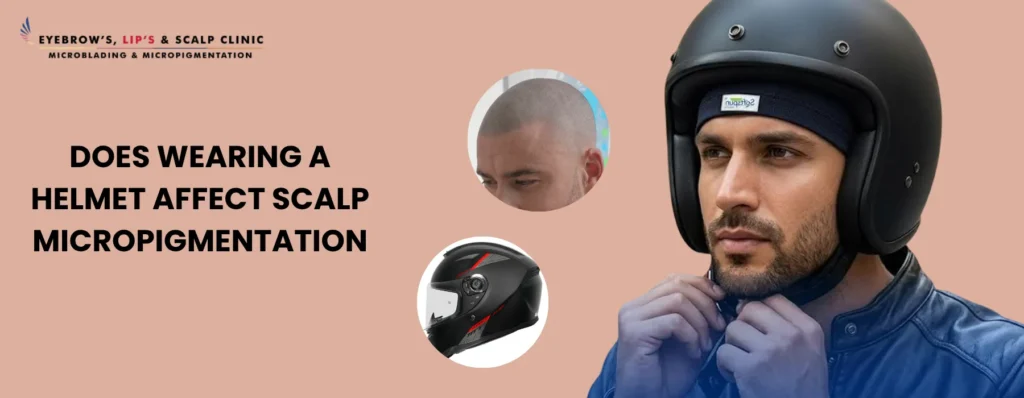
A helmet is designed to protect your head, but the same close contact that provides protection can become relevant during the early stages of SMP healing.
Putting on and removing a helmet can cause rubbing against the scalp.
Repeated friction over recently treated skin may increase irritation and discomfort.
A tightly fitting helmet can put pressure against the scalp.
Although a correctly fitted helmet is essential for safety, unnecessary pressure over recently treated skin may be uncomfortable during healing.
Helmets can increase heat and perspiration around the scalp, particularly in India’s warm and humid conditions.
Excessive sweating may make a recently treated scalp feel uncomfortable and can complicate aftercare.
A helmet creates a covered environment around the scalp.
After SMP, your provider may advise you to limit factors that increase heat or sweating during the early healing stage.
Helmet interiors can accumulate sweat, oil, dirt and microorganisms over time.
Keeping your helmet clean is therefore particularly important when your scalp has recently undergone a cosmetic pigmentation procedure.
There is no specific number of days that applies to every SMP patient.
The appropriate timing depends on factors such as:
Some clinics may recommend avoiding helmets or other tight headwear during an early part of the healing period, while others may provide different instructions based on their technique.
Therefore, follow the specific instructions provided by your SMP doctor rather than relying on a generic online timeline.
A cap may seem like an easy alternative, but it still involves contact with the scalp.
Whether a cap is appropriate during the early healing period depends on your practitioner’s aftercare instructions.
Do not assume that because a cap is softer than a helmet, it is automatically suitable.
A cap can still:
If your provider recommends avoiding headwear during the early healing stage, follow that instruction.
If you accidentally wear a helmet before you were supposed to, do not panic.
One accidental contact does not necessarily mean that your SMP results have been ruined.
Instead do this:
If you develop significant pain, swelling, worsening redness, discharge or other concerning symptoms, seek appropriate medical advice.
The effect of helmet contact may vary depending on where the SMP was performed.
A helmet may come into contact with the frontal scalp and hairline.
Extra care may be needed during the early healing stage because this area can be directly exposed to helmet pressure or rubbing.
If the helmet sits firmly against the crown, friction and sweating may be relevant during recovery.
When a large portion of the scalp has been treated, helmet use may be more difficult to manage during early healing.
If SMP has been used to camouflage a scalp scar, follow the specific instructions provided by your practitioner.
Scar tissue can have different characteristics from surrounding skin, so individualized guidance is particularly important.
This situation deserves additional caution.
If the laser was used directly on or close to your eyebrows, forehead or surrounding facial skin, tell your microblading specialist exactly what treatment you received.
The specialist should know:
If the treatment was directly over the brow area, the condition of that skin becomes especially important before microblading.
Once your doctor allows you to resume helmet use, good hygiene becomes important.
Clean the helmet interior according to the manufacturer’s instructions.
Avoid using harsh chemicals that could irritate your scalp or damage helmet materials.
Sharing helmets can increase exposure to other people’s sweat, oils and microorganisms.
Use your own properly fitted helmet whenever possible.
If your scalp feels itchy during healing, resist the urge to scratch.
Follow the aftercare instructions provided by your practitioner.
Minor flaking can occur during the healing process.
Do not forcibly remove flakes or scabs.
Your doctor should tell you when and how to wash the scalp after treatment.
Do not substitute a random online aftercare routine for professional instructions.
Before returning to regular helmet use, pay attention to the condition of your scalp.
Contact your SMP provider if you have concerns about:
These symptoms may require professional assessment.
Do not attempt to solve concerning symptoms by applying random creams, oils or home remedies.
Once the scalp has completely healed, normal helmet use should generally be viewed differently from helmet use immediately after treatment.
A healed SMP result is not the same as freshly treated skin.
Long-term SMP appearance can be influenced by:
Regular helmet use itself should not be treated as an automatic reason to avoid SMP.
In fact, for people who ride motorcycles regularly, a properly fitted helmet remains essential for head protection.
Never stop wearing a safety helmet solely because you have had SMP.
Instead, plan your treatment around the required recovery period.
Choosing an experienced provider is important when considering scalp micropigmentation because the procedure involves creating a highly visual, customized appearance across the scalp.
Eyebrows Lips & Scalp Clinic in Pune specializes in permanent makeup and scalp micropigmentation.
The clinic provides customized SMP solutions based on individual hair-loss patterns, scalp characteristics and aesthetic goals.
Before treatment, a consultation can help you understand:
If you are researching SMP because of thinning hair, receding hairlines or visible scalp, you can also explore the clinic’s scalp micropigmentation treatment information.
For clients who are comparing SMP with other approaches to hair loss, discussing your goals with a qualified professional can help you understand which option may be appropriate.
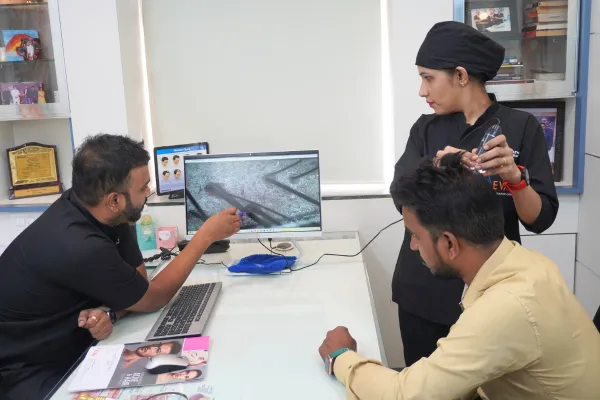
A helmet does not normally affect fully healed scalp micropigmentation, but wearing one too soon after treatment may cause friction, pressure, heat and sweating that can irritate healing skin.
There is no universal timeline for every client. Your provider should determine when helmet use is appropriate based on the treatment performed and your scalp’s healing progress.
Excessive sweating can contribute to heat, moisture and irritation during the early healing period.
Normal helmet use does not automatically make established SMP fade. However, excessive friction or irritation during early healing may affect the recovery process.
You should ask your doctor before wearing a cap during the early healing period. A cap can still create contact, friction, heat and sweating.
Your doctor may recommend temporarily limiting strenuous exercise because sweating and heat can be relevant during early healing. Follow the specific aftercare instructions you receive.
Does wearing a helmet affect scalp micropigmentation?
For most people, helmet use is compatible with SMP once the scalp has healed, but the early recovery period requires greater care.
A helmet can create:
These factors may be more relevant when the scalp is freshly treated. At Eyebrows Lips & Scalp Clinic in Pune, a consultation can help you understand the SMP procedure, expected recovery and how to manage your regular routine after treatment.
Considering scalp micropigmentation in Pune?
Explore scalp micropigmentation at Eyebrows Lips & Scalp Clinic or contact the clinic to discuss your scalp, hair-loss concerns and lifestyle requirements.
WhatsApp us