
How Lip Micropigmentation Heals on Sensitive Lips | 5 Healing Tips

Best PMU Artist in Pune

Reviewed by Dr. Shalthiel Sathe

Last updated: April 22, 2026

Table of Contents

Overview

Lip micropigmentation also known as Permanent Lips has become a preferred choice for enhancing natural lip color, correcting uneven pigmentation & achieving a soft, tinted look without daily lipstick. However, individuals with sensitive lips often wonder whether healing will be different or more difficult. Since lips are already delicate, sensitivity can influence how the skin reacts during and after the procedure.

The good news is that lip micropigmentation can heal safely on sensitive lips when performed with the right technique and followed by proper aftercare. Get to know about the healing process and knowing how to support your skin during recovery can make a significant difference in both comfort and final results.
How Lip Micropigmentation Heals on Sensitive Lips

What Happens on Sensitive Lips during Lip Micropigmentation?

Lip micropigmentation involves depositing pigment into the upper layers of the lips using a specialized device. On sensitive lips, the skin may respond more actively due to its thinner structure and higher nerve density.

This means you may experience slightly more redness, swelling, or tingling compared to others. These reactions are temporary and usually settle within a few days when proper care is taken.

How Healing Differs on Sensitive Lips

Lip Micropigmentation Healing on sensitive lips tends to be slightly more noticeable, especially in the first few days. The lips may feel tight, dry, or mildly irritated. Initially, color may also appear darker before softening as the skin heals.

Unlike normal lips, sensitive lips may go through a more reactive healing phase, but this does not mean poor results. In fact, with controlled technique and correct aftercare, the final outcome can be just as natural and even.

Healing Stages on Sensitive Lips

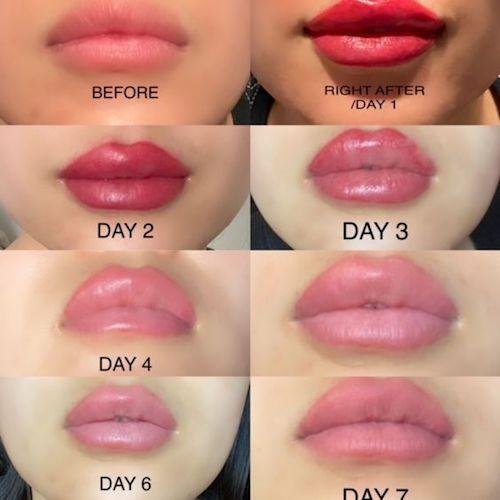
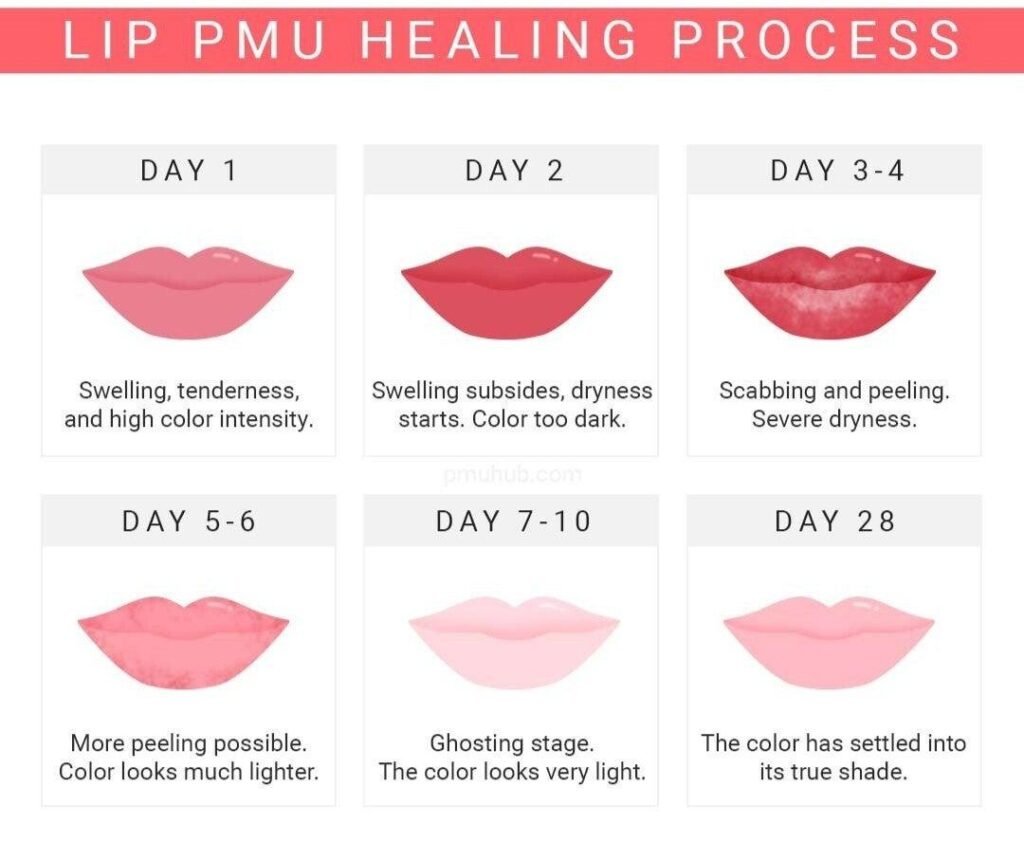
Healing stages of Lip Micropigmentation
Day by day healing of Lips treatment

The healing process usually follows a predictable pattern. In the first 24–48 hours, mild swelling and tenderness are common. Over the next few days, the lips may start to feel dry, and slight peeling can occur.

As healing progresses, the color may appear uneven or faded temporarily. This is part of the natural regeneration process, and the final color gradually settles over the next few weeks.

5 Healing Tips for Sensitive Lips

1. Keep Lips Hydrated but Not Over-Moisturized

Using a recommended healing balm helps maintain moisture without suffocating the skin. Over-application can interfere with healing, so balance is key.

2. Avoid Touching or Picking the Lips

Sensitive lips may feel itchy or dry during healing. Avoid picking or peeling, as this can disrupt pigment retention and cause uneven healing.

3. Stay Away from Spicy, Hot Foods

Certain foods can trigger irritation or increase sensitivity during healing. Choosing mild, non-irritating foods helps the lips recover comfortably.

4. Protect Lips from Sun Exposure

Freshly treated lips are more vulnerable to sunlight. Avoid direct sun exposure and follow post-care advice to prevent pigmentation changes.

5. Follow Aftercare Instructions Strictly

Each individual’s skin reacts differently. Following personalized aftercare ensures that sensitive lips heal properly and achieve the desired results.

Does Sensitivity Affect Results of Lip Micropigmentation

Sensitive lips do not necessarily lead to poor results. The final outcome depends more on technique, pigment selection, and aftercare than sensitivity alone.

In some cases, sensitive lips may require a touch-up session to refine color and improve evenness. This is a normal part of the process and helps achieve long-lasting, natural results.

The Role of Best SPMU Clinic in Pune

Treating sensitive lips requires a gentle and controlled approach. At Eyebrows Lips & Scalp Clinic, lip micropigmentation is performed after assessing lip texture, sensitivity level, and natural pigmentation.

Customized pigment selection, controlled pressure, and gradual layering techniques help minimize trauma and ensure smooth healing, even for highly sensitive lips.

Conclusion

Lip micropigmentation on sensitive lips may involve slightly more noticeable healing in the initial days, but with proper care and expert technique, the process remains safe and manageable. The key is to understand your skin, follow aftercare guidelines, and allow the lips to heal naturally without interference.

With the right approach, sensitive lips can achieve soft, even, and natural-looking color that enhances overall appearance without daily effort.

Frequently Asked Questions
Is lip micropigmentation safe for sensitive lips?

Yes, lip micropigmentation is safe for sensitive lips when performed by trained professionals using gentle techniques. A proper consultation and patch test help ensure the procedure suits your skin type.

Sensitive lips may experience slightly more redness or irritation initially, but overall healing time is similar, typically within 7–10 days for surface healing, with full color settling over a few weeks.

Sensitive lips have thinner skin and more nerve endings, which can cause increased redness, swelling, or tingling. These reactions are temporary and part of the normal healing process.

Yes, applying a recommended healing balm helps keep lips hydrated and supports healing. However, overuse should be avoided as it can interfere with proper pigment settling.

Sensitivity does not negatively affect final results when proper technique and aftercare are followed. In some cases, a touch-up session may be needed to refine color and ensure even pigmentation.

Avoid spicy foods, hot beverages, excessive sun exposure, and harsh skincare products during healing. These factors can increase irritation and delay recovery, especially for sensitive lips.

Yes, mild peeling or flaking is a natural part of the healing process. It indicates that the skin is regenerating. It is important not to pick or peel the lips manually, as this can affect pigment retention.

A touch-up is usually recommended 4–6 weeks after the initial session. For sensitive lips, this session helps correct minor unevenness, enhance color, and ensure long-lasting, balanced results.