

Last updated: June 20, 2026
Q1: Is eyebrow tattooing actually safe in Pune?
A: Yes — but only under dermatologist-approved microblading conditions. This means
a qualified cosmetologist performing the procedure, medical-grade certified pigments,
and single-use sterile instruments. Without these, real infection and scarring risks exist.
Q2: Does painless eyebrow microblading in Pune actually exist?
A: Yes. When a premium, dermatologist-approved topical numbing cream is applied 20 to
30 minutes before the procedure, discomfort is virtually eliminated. Most patients
describe the sensation as mild pressure — nothing more.
Q3: What sterile protocols protect against cross-contamination in eyebrow tattooing?
A: Single-use, factory-sealed, gamma-ray sterilized blades opened in front of the
client, combined with hospital-grade surface disinfection between every patient.
Reused instruments are an unacceptable infection risk.
Most people walk into a microblading appointment focused entirely on the result — the shape, the fullness, the before-and-after transformation. Very few stop to ask the question that actually matters most: Is what is about to happen to my face genuinely safe?
The answer depends entirely on where you go and who is holding the blade. In a medically supervised clinic with dermatologist approved microblading in Pune, the answer is an unequivocal yes. In a budget salon with an undertrained technician, unverified ink, and reused instruments, the honest answer is that nobody in the room actually knows.
This blog is for the person who wants to understand the real difference before they book — not after something goes wrong. We cover the three questions most people are too nervous or too trusting to ask: whether painless microblading is real or just marketing spin, what certified pigments actually mean for your skin over time, and what a genuinely sterile procedure looks like versus the hygiene shortcuts that are shockingly common across Pune.
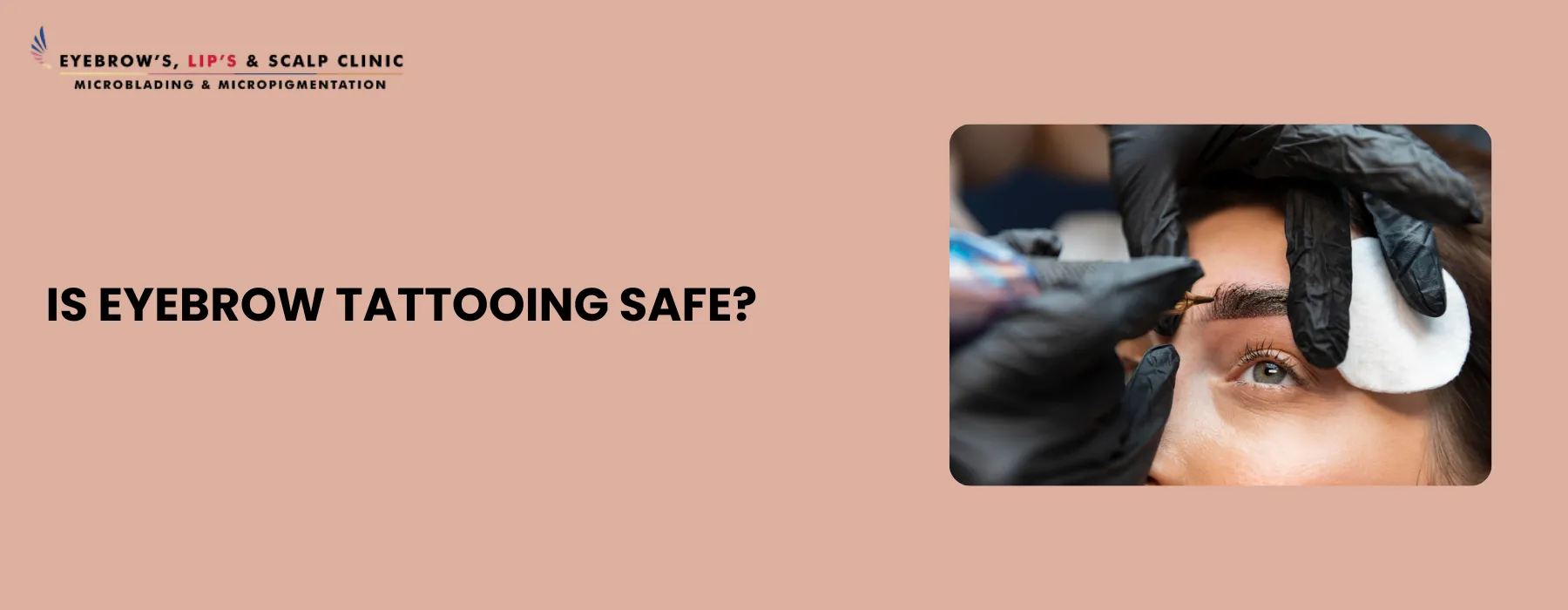
Painless eyebrow microblading in Pune is not a marketing myth — it is a clinical reality, but only when a medical-grade topical numbing cream is applied correctly before the procedure begins. The keyword here is “correctly.” There is a significant difference between a proper numbing protocol and a quick surface application that barely dulls the sensation.
A properly applied, dermatologist-approved topical anesthetic creates a localized nerve block in the superficial skin layer — the exact layer where microblading occurs. When applied 20 to 30 minutes before the blade makes contact, the numbing effect is thorough enough that most clients feel nothing more than mild pressure or a faint scratching sensation during the actual procedure.
Here is why some clinics cannot deliver on this promise while others can. The numbing agents that work genuinely well — specifically formulated topical compounds with lidocaine at concentrations appropriate for facial skin — cost more than the over-the-counter creams often grabbed from a pharmacy shelf. Budget studios cut this corner regularly, either using weaker formulations or not allowing adequate time for the numbing to take full effect. The result is a procedure that is significantly more uncomfortable than it needs to be, and sometimes one that is rushed because the client is in more pain than anticipated.
At Eyebrows, Lips & Scalp Clinic, the numbing protocol is non-negotiable. A premium, dermatologist-approved topical numbing cream is applied at the start of every single session, and the procedure does not begin until Dr. Sathe is confident the client is genuinely comfortable. This is not a selling point — it is a clinical standard.
The best microblading artist with certified pigments is not just someone with a large Instagram portfolio they are a qualified professional using internationally tested, biocompatible pigments that have been verified safe for long-term skin implantation. This distinction separates a genuinely beautiful, lasting result from one that deteriorates in ways you cannot predict.
The pigment story is one that the beauty industry actively avoids discussing in transparent terms, because the profit margins on cheap, unregulated inks are considerable. Here is what certified actually means — and why it matters to the skin on your face specifically.
Internationally certified, organic micropigmentation pigments undergo rigorous biocompatibility testing to confirm they do not trigger allergic responses, immune reactions, or long-term skin toxicity. More importantly for visual results, they are formulated with stable color compounds that resist oxidation — the chemical process that causes untested inks to shift into unnatural blue, grey, or reddish hues as they age inside the skin.
This oxidation issue is disproportionately visible on Indian skin tones, where higher melanin levels interact with unstable pigment compounds in ways that accelerate color shifting. A brown pigment that looks perfectly natural for the first six months can develop a distinctly reddish undertone by month twelve, and a subtle blue-grey cast by year two — entirely because the original ink was never formulated or tested for long-term skin stability.
The medical backing angle is equally important and equally overlooked. dermatologist approved microblading in Pune means a qualified medical professional — not just a certified beauty technician — has assessed your skin suitability before the procedure begins. Conditions like active eczema, rosacea, keloid scarring tendency, or certain medications that affect healing can all influence the outcome and the safety of the procedure. A dermatologist or qualified cosmetologist identifies these factors. A salon technician typically does not.
Sterile and safe eyebrow tattooing Pune, at clinical standard, means single-use gamma-sterilized blades opened in front of every client, hospital-grade surface disinfection between patients, and zero reuse of any skin-penetrating instrument. Anything below this standard carries a genuine, documented infection risk.
Cross-contamination in cosmetic tattooing procedures is a documented public health concern globally, not an edge-case worry. The transmission routes are direct: a blade that has contacted one client’s skin carries microscopic blood residue, skin cells, and pigment contamination that no alcohol wipe or surface-level cleaning can fully eliminate. The only protection against this is a blade that has never been used on anyone before — factory-sealed and gamma-ray sterilized before it reaches you.
At Eyebrows Lips & Scalp clinic, this is visible and verifiable. Every client sees their sealed blade packaging opened directly in front of them at the start of their session. This is not theater — it is the fastest and most honest way to demonstrate that nothing from a previous patient has come anywhere near your skin.
The surface disinfection protocol extends well beyond the blade itself. Treatment chairs, tool trays, pigment cups, cotton pads, and every surface the practitioner’s gloved hands contact are disinfected with hospital-grade agents between every single client. Gloves are changed immediately if contamination occurs during the procedure. Pigment cups are single-use and never refilled or reused.
This is what genuinely sterile and safe eyebrow tattooing in Pune looks like in practice. It is a considerable overhead compared to wiping a surface with a general-purpose spray and reusing instruments, which is precisely why clinics that genuinely maintain these standards do not offer microblading at ₹2,000 to ₹3,000 per session.
When every safety standard described in this blog is working together — certified pigments, proper numbing, genuine sterilization, and qualified medical oversight — the result is a procedure that is genuinely worth the investment. Here is what that looks like at our clinic:
| Service | Description | Price (INR) |
|---|---|---|
| Color Correction (Mild-Moderate) | Pigment neutralization and shape rebuild. | ₹15,000 – ₹22,000 |
| Color Correction + Laser Removal | For dense, deeply embedded pigment requiring laser-assisted lightening. | ₹25,000 – ₹40,000 |
| Scar Camouflage | Correcting uneven texture or scarring from previous work. | ₹15,000 – ₹22,000 |
| Touch-Up Session | Mandatory follow-up at 6–8 weeks. | ₹3,000 – ₹5,000 |
All procedures include a pre-procedure consultation, medical-grade certified pigments, single-use sterile instruments, and personalized aftercare guidance.
If you want to go deeper on any specific area — whether that is understanding what correction work involves or how long results realistically last — our complete blog library covers every angle of microblading safety, pricing, and outcomes in detail.
Yes — the cost difference between a medically supervised procedure and a budget salon reflects real differences in pigment quality, sterilization standards, and practitioner qualification. Correcting a poorly done procedure typically costs more than the original safe procedure would have.
Ask directly: “What brand of pigment do you use and is it internationally certified for cosmetic skin use?” A qualified clinic will answer this without hesitation and should be able to name the pigment brand and its certification status.
No — numbing is appropriate and standard for everyone. Discomfort during microblading is not a sign of authentic experience; it is a sign of inadequate numbing protocol. A properly numbed procedure should be genuinely comfortable for most clients.
Yes, but a pre-procedure skin assessment is essential to identify any contraindications and customize the approach. This is one of the core reasons medical supervision matters — sensitive skin reactions to pigment or numbing agents are identifiable before they become a problem.
It means pigment, blood residue, or skin cells from one client’s session contacting another client’s open skin through a reused instrument. This creates a direct transmission route for bacteria, fungi, and bloodborne pathogens. Single-use blades are the only reliable prevention.
A properly applied topical numbing cream maintains effective anesthesia for approximately 45 to 60 minutes — more than sufficient for a standard microblading session. If needed, a secondary application can be used during the procedure.
At minimum, a recognized clinical cosmetology qualification such as a PG Diploma in Clinical Cosmetology (PGDCC), documented years of micropigmentation-specific experience, and verifiable patient results — not just a weekend certificate course.
Yes. We use only internationally certified, organic micropigmentation pigments that have been tested for biocompatibility and long-term color stability — verified to not shift into unnatural tones as they age.
Yes, without exception. Dr. Sathe conducts a thorough pre-procedure skin and medical history assessment before every session, identifying any factors that might affect safety or outcome.
Safety in microblading is not something you should have to take on faith. The right clinic shows you — opens the sealed blade in front of you, names the pigment brand unprompted, explains the numbing protocol before you ask, and gives you the doctor’s credentials without defensiveness.
Before any procedure begins at our clinic, every new client receives a personalized facial mapping and skin evaluation with Dr. Shalthiel Sathe. No pressure, no upselling — just an honest conversation about whether the procedure is right for your skin, what the process involves, and what results are genuinely realistic for your specific situation.
Book Your Consultation with Dr. Shalthiel Sathe →
Besides Chirayu Hospital, Aabai Tower, Flat No. 203, Datta Mandir Road, Shankar Kalat Nagar, Wakad, Pune +91-9146708856 Monday to Sunday | 11:00 AM – 8:00 PM
Reviewed by Dr. Shalthiel Sathe — PG Diploma in Clinical Cosmetology (PGDCC), Aesthetic Medical Cosmetologist & Trichologist, Founder of Eyebrows, Lips & Scalp Clinic, Wakad, Pune.
WhatsApp us