
Long term effects of Microblading Eyebrows | Risks & Results

Best PMU Artist in Pune

Reviewed by Dr. Shalthiel Sathe

Last updated: April 30, 2026

Table of Contents

Overview

Eyebrow microblading has become one of the most popular semi permanent makeup procedures for achieving fuller, natural-looking brows. While the immediate results are often impressive, many individuals considering the treatment want to understand what happens in the long run. Questions about fading, skin changes, and potential risks are common, especially among first-time clients.

The long-term effects of microblading depend on several factors, including skin type, pigment quality, technique & aftercare. When performed correctly and maintained properly, microblading offers natural, evolving results rather than permanent, unchanging brows. However, understanding both the benefits and possible risks is essential before making a decision.
Long term effects of Microblading Eyebrows

How Microblading Changes Over Time

Eyebrow Microblading is a semi permanent procedure, meaning the pigment does not stay exactly the same forever. Over time, the color gradually softens and fades as the skin naturally regenerates.

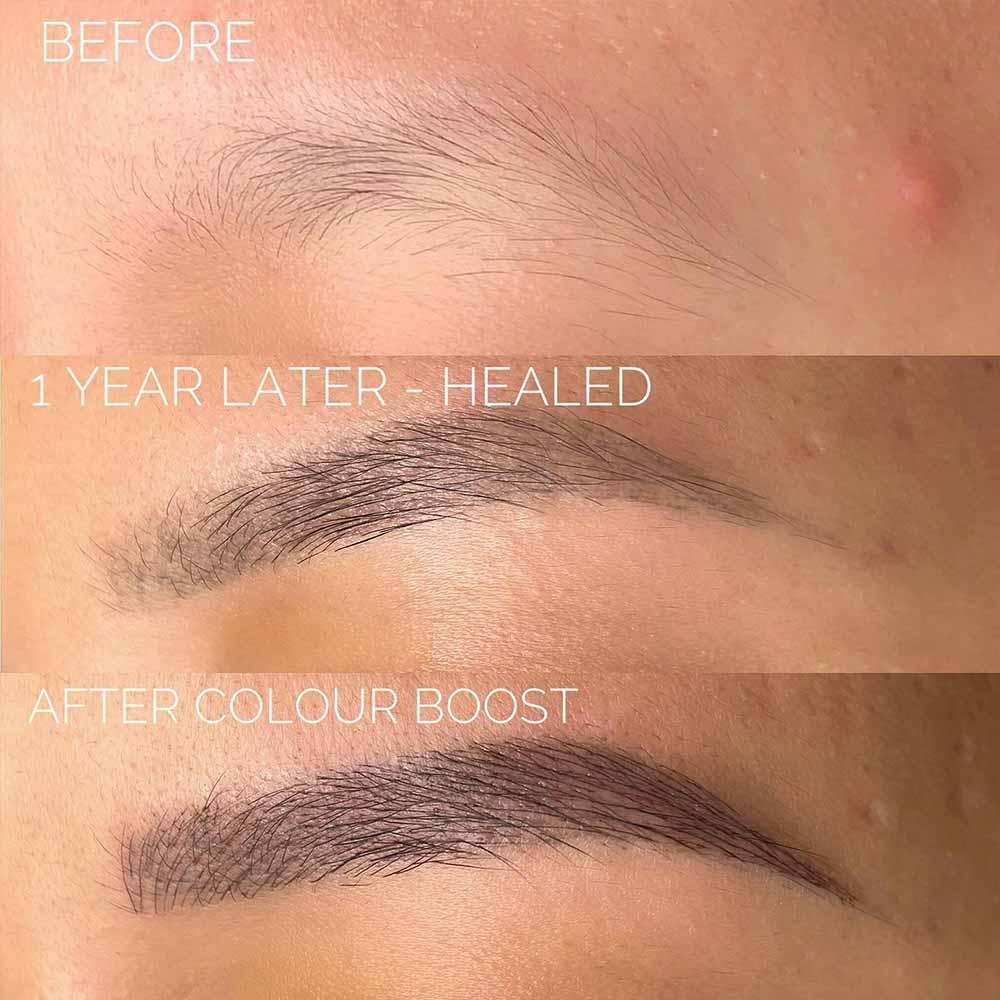
In the first few months, the brows appear well-defined and structured. As time passes, the strokes become softer and more diffused, creating a more subtle look. This fading process is expected and allows for adjustments during touch-up sessions.

Do Microblading Results Look Natural in the Long Term?

One of the biggest advantages of eyebrow microblading is its ability to maintain a natural appearance over time. Unlike older tattoo techniques, modern microblading uses pigments designed to fade gradually rather than change into unnatural shades.

When done with proper technique and color selection, the brows continue to look soft and realistic even as they fade. Regular maintenance helps preserve shape and color without making the brows appear artificial.

Long Term Results of Eyebrow Microblading

Eyebrow microblading after 6 months

In the long term, eyebrow microblading results evolve rather than disappear suddenly. Most individuals notice gradual fading over 12–24 months, depending on skin type and lifestyle.

Oily skin may experience faster fading, while normal to dry skin tends to retain pigment longer. Touch-up sessions for Eyebrow Microblading are typically required to refresh the brows and maintain consistent definition.

Does Microblading Damage Natural Eyebrow Hair?

A common concern is whether microblading affects natural hair growth. When performed correctly at the appropriate depth, microblading does not damage hair follicles. Natural eyebrow hair continues to grow normally.

However, excessive pressure or repeated procedures without proper care can potentially irritate the skin. This is why controlled technique and proper healing time are essential for long-term safety.

How Skin Type Affects Long-Term Results

Skin type plays a major role in how microblading ages. Oily skin may cause pigment to spread slightly, making strokes appear softer over time. Dry or normal skin typically retains sharper strokes for longer periods.

Understanding your skin type helps set realistic expectations and allows the practitioner to adjust technique accordingly.

Can Microblading Be Corrected or Removed?

In cases where results are not satisfactory, microblading can be corrected or lightened. Correction techniques involve adjusting pigment, reshaping brows, or gradually fading previous work.

This flexibility is one of the advantages of semi permanent makeup, as it allows changes over time rather than locking in a permanent look.

Role of Expert Technique in Long-Term Results

The long-term success of microblading depends heavily on the expertise of the practitioner. At Eyebrows Lips & Scalp Clinic, each procedure is customized based on skin type, facial structure, and desired outcome.

Careful pigment selection, controlled depth, and conservative design ensure that results age naturally and remain aesthetically pleasing over time. This approach minimizes risks and enhances long-term satisfaction.

Conclusion

Microblading offers natural-looking eyebrows that evolve gracefully over time. While fading is expected, it allows flexibility and adjustment based on changing preferences and facial features.

Understanding the long-term effects of eyebrow microblading, including both results and potential risks, helps individuals make informed decisions. With proper technique, professional guidance, and regular maintenance, microblading remains a safe and effective option for enhancing eyebrow appearance.

Frequently Asked Questions
How long do microblading results last?

Microblading results typically last between 12–24 months, depending on skin type, lifestyle, and aftercare. Over time, the pigment gradually fades and may require touch-up sessions to maintain shape and color.

Yes, when performed correctly, microblading continues to look natural over time. The pigment softens gradually, creating a subtle and realistic appearance rather than an artificial look.

Long-term risks are minimal when done properly, but may include pigment fading, slight blurring, or uneven color if technique or aftercare is poor. Choosing an experienced practitioner reduces these risks significantly.

No, microblading does not damage natural eyebrow hair when performed at the correct depth. Hair growth continues normally, and the procedure only affects the upper layers of the skin.

Microblading pigments are designed to fade gradually rather than change into unnatural colors. However, improper pigment selection or technique may lead to slight color variations over time.

Touch-ups are usually recommended every 12–18 months, depending on how quickly the pigment fades. Regular maintenance helps keep the brows looking fresh and defined.

Yes, old or faded microblading can be corrected through reshaping, color adjustment, or lightening techniques. A consultation helps determine the best correction method.

No, microblading is semi permanent. The pigment gradually fades over time, allowing adjustments based on personal preferences and changes in facial features.