
Best Skin & Aesthetic Clinic in Pune: Expert Skin Solutions
Best Skin & Aesthetic Clinic in Pune: Expert Skin Solutions Reviewed by Dr. Shalthiel Sathe Last updated: March 28, 2026 Table of Contents Overview Healthy,...

Last updated: December 22 , 2025
Eyebrow Microblading has transformed the way people achieve fuller, well-defined eyebrows without daily makeup. While the treatment offers beautiful, natural-looking results for many, it is not suitable for everyone. Understanding who should avoid microblading is just as important as knowing its benefits. Certain skin types and medical conditions require extra caution, and ignoring these factors can lead to poor results, delayed healing, or long-term dissatisfaction.
This article explains in detail which skin types may not be ideal for microblading, why extra care is needed, and how experienced clinics like Eyebrows Lips & Scalp Clinic ensure patient safety before recommending the procedure.
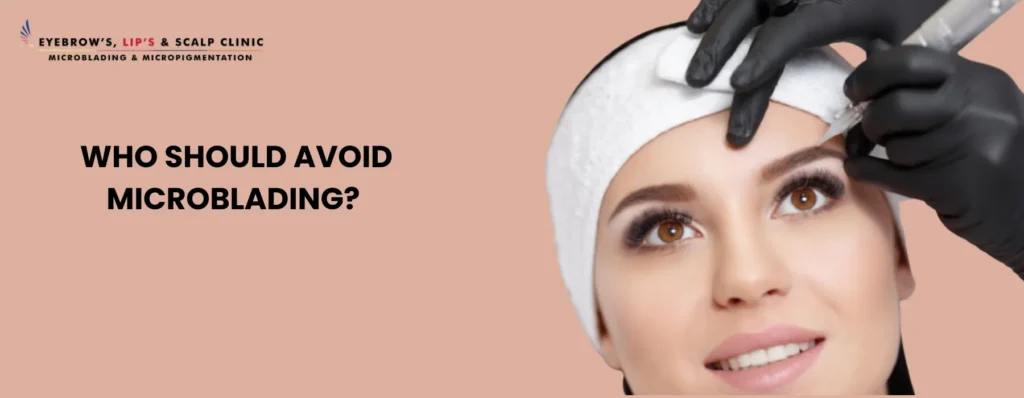
Microblading involves creating fine, hair-like strokes in the superficial layers of the skin using a manual blade and pigment.
The technique relies heavily on how the skin retains pigment during healing. Skin texture, oil production, sensitivity, and regenerative ability all influence the final outcome. When the skin is not compatible, pigment may blur, fade unevenly, or heal unpredictably, which is why a professional evaluation is critical before proceeding.
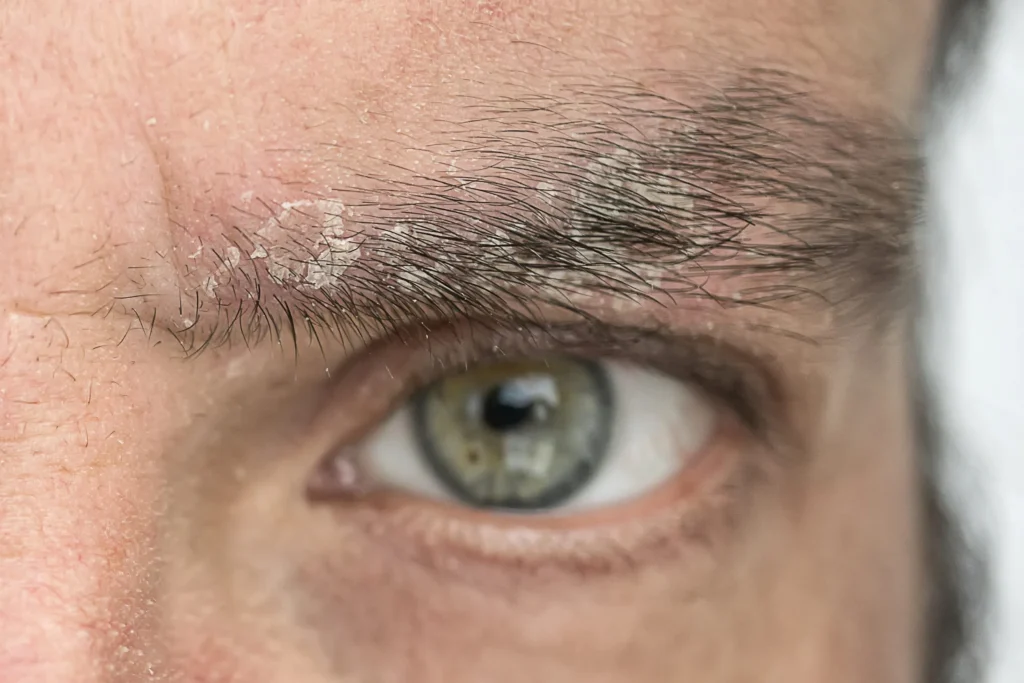
As skin ages, it becomes thinner and loses elasticity. Very fragile or mature skin can tear easily during microblading, making controlled strokes difficult.
Healing may also take longer, increasing the risk of scarring or pigment migration. In such cases, gentler cosmetic tattooing methods are usually preferred, as they cause less trauma and offer softer, more natural shading.
A professional consultation is not a formality; it is the most important safety step in microblading. Patch testing helps identify allergic reactions, sensitivity to pigments, and abnormal skin responses before full treatment. Clinics that prioritize skin assessment over sales protect both patient outcomes and long-term satisfaction. Skipping this step often leads to avoidable complications and regret.
For individuals who should avoid microblading, alternatives like powder brows, nano shading, or soft ombré techniques may offer safer and more predictable results. These methods involve less skin trauma and are better suited for oily, sensitive, or mature skin types. Choosing the right technique ensures natural results without compromising skin health.
Microblading is not a one-size-fits-all treatment. The safest and most beautiful results come from respecting skin limitations rather than forcing a procedure that may not be suitable. A trustworthy clinic will always prioritize skin health, long-term outcomes, and honest guidance over performing a treatment at any cost.
If you are considering microblading, the first step is not the blade or pigment—it is understanding your skin. A personalized consultation ensures that the chosen technique aligns with your skin type, lifestyle, and expectations, leading to results that look natural, heal well, and age gracefully.
Microblading is usually not ideal for very oily skin because excess oil can cause pigment to blur or fade quickly. In such cases, alternative techniques like powder brows or combination brows provide better definition and longer-lasting results with more predictable healing.
Highly sensitive skin may react with prolonged redness, irritation, or uneven healing after microblading. A patch test and detailed skin assessment are essential before proceeding. In some cases, gentler semi-permanent makeup techniques are safer than traditional microblading.
Microblading can be risky for individuals with uncontrolled diabetes due to delayed healing and higher infection risk. If diabetes is well managed, the procedure may still be possible with medical approval and strict aftercare, but extra caution is always required.
If microblading is not recommended, techniques such as powder brows, nano shading, or soft ombré brows are safer alternatives. These methods involve less skin trauma and are better suited for oily, sensitive, or mature skin types.

WhatsApp us